Bibingka Variations
By Roy Jude Obedencio – Creative Staff Writer for Liz’s Filipino Desserts
Bibingka has long been a staple in every Filipino home. It graces not only breakfast tables but also on snack time. Oftentimes, people would entertain guests and offer them bibingka. This happened because of the popularity of this Filipino rice cake.
In a not-so-distant past, one can only see and buy bibingka during Christmastime. This is when they go on a nine-day (or night) mass preceding Christmas Eve. During those nights, one can smell the toasty aroma of bibingka filling the cold air.
Lots of Filipinos and foreigners who visit the Philippines go to these masses and then buy bibingka afterward. They either buy it plain or with toppings. These toppings range from sliced salted eggs, butter, or margarine. A bibingka combo wouldn’t be complete without its sidekick, the puto bumbong.
But there is more to bibingka than meets the eye. With the ingenuity of Filipinos and their different heritage, they created variations of bibingka. Each flavor would cater to different tastes but all of them are delicious. They even come in different sizes. It’s even safe to say that each location in the Philippines has its own variations of bibingka.
This article will discuss some of its variants and provide ideas on their recipes. These are basic recipes and are free to experiment on to yield better products.
Traditional Bibingka Recipe
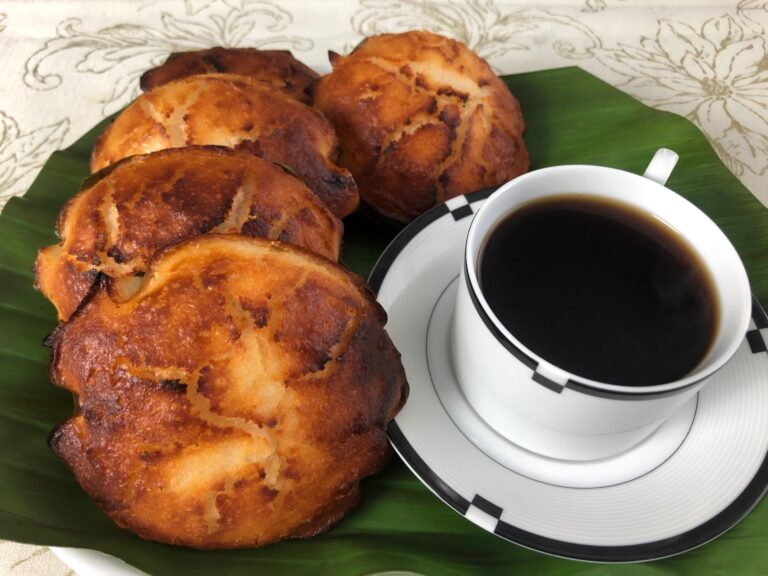
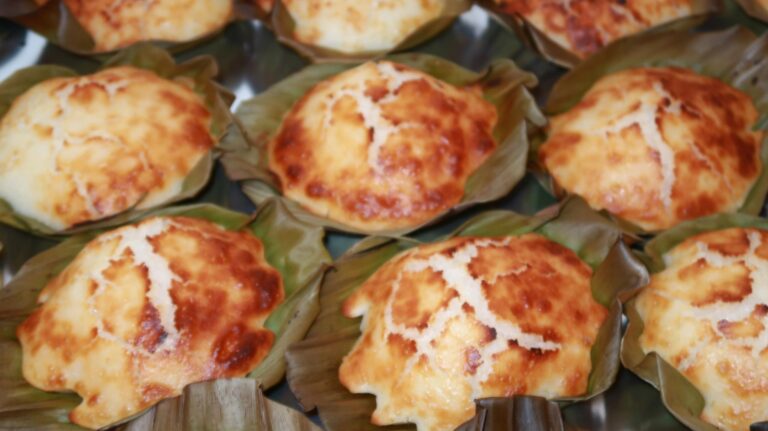
The traditional recipe has a hint of sweetness and exquisite charred taste. People know this variant as bibingkang galapong. This is the normal variation that people see in churches after the night masses and recently, in malls. The ones sold outside churches use clay pots while the ones in the malls use ovens.
It has sliced salted eggs within and topped with cheese during cooking. Once finished, one can sprinkle coconut strips over it.
The ingredients include rice flour, baking powder, glutinous rice flour, salt, sugar, different kinds of butter, coconut milk, eggs, sliced salted duck egg, cheese, grated coconut, and banana leaves.
People can use either clay pots or ovens for this recipe. Most people prefer clay pots though. They would line the pots with banana leaves. They will mix all the ingredients in a big bowl until everything is smooth.
The different kinds of butter for this recipe have specific roles. Unsalted butter goes to the mixture while melted butter is for toppings. Another type of butter will grease the banana leaves then when ready, in goes the mixture.
If baked in an oven, 15 minutes is enough for the first phase. The cooking time is different on a clay pot since it will use charcoal as its heating element. It may take at least 20 minutes. The second phase would involve placing toppings on the bibingka before placing it back inside the oven to bake for another 20 to 25 minutes. If cooked on clay pots, they can place the toppings while cooking and continue to heat it for another 20 minutes.
After cooking or baking, the bibingka receives a helping of butter brushed over its fluffy surface. If the customer requests it, they can put sliced coconut as toppings over the bibingka. As for the cheese, it can be any cheddar cheese but some use carabao cheese or Italian cheese.
From this base recipe, the variants differ through the ingredients used to make them. The cooking style is still almost the same so what comes next are descriptions of the variants and what makes it different from others.
Should anyone want to have a taste of the traditional bibingka, they can do so but checking out Liz’s Filipino Desserts. This online shop specializes not only with bibingka but with binangkal and budbud as well. So if that craving is too hard to resist, visit the website of Liz’s Filipino Desserts.
Bibingkang Malagkit
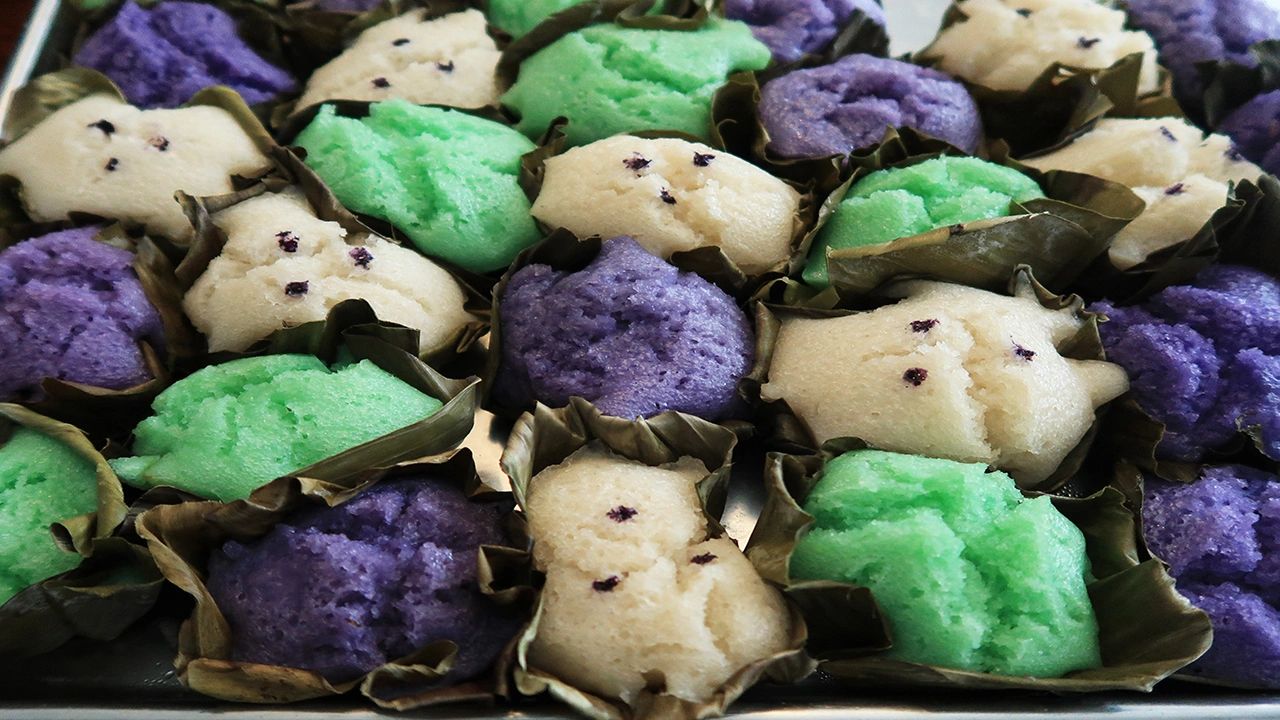
This variation uses the three basic ingredients of bibingka: glutinous rice, rice, and coconut milk. What makes it different is the topping. It uses caramelized coconut cream called latik. Most people know this variation by its own name; biko. People eat them over banana leaves and serves as an afternoon snack. They couple it either with coffee or milk.
Ilonggo Bibingka
Ilonggos call this variant, “Balasan”. When one first looks at it, they would think of it as fun-sized bibingka. It also differs from the traditional one in appearance. Its colored white on top with a charred surface. With the traditional version, the sweetness is faint at best but this one exudes with sweetness.
It also looks flat which makes it look like fun-size bibingka. The traditional one also is fluffy while this one is dense and full of flavor from coconut strips. Unlike the traditional bibingka that are available all-year-round, the Ilonggo bibingka is only available during Christmas after the night masses.
Cassava Bibingka
This version goes against the norm because it doesn’t use the basic ingredient of bibingka which is rice flour. The replacement for rice flour in this recipe is grated cassava. People who make this also use cassava flour as an ingredient instead of rice flour.
The texture of this version will depend on the maker because it can be soft or firm. The toppings are either grated cheese or milk. It also has a common name which is cassava cake.
Bibingkoy
Now, this is a very rare variant of bibingka. This is because one can only find this version in Cavite. The recipe to make this version follows the traditional one but what makes it different is its appearance and texture.
At first glance, one would think that the mold used in making this bibingka is the same one used in making cheese bread. It also looks like hills beside each other melded on the land beneath them. The top didn’t lose its charred appearance and when eaten, it’s chewy and satisfying to much one. Think of it as bite-sized bibingka when separated from each other.
It even has a sauce made from coconut milk. Aside from its location, what makes it rare is the taste and the experience. It is very different from the normal bibingka but it’s still included in the bibingka family.
These are only some of the variants available for bibingka. Even though it rose in prominence as a worldwide snack, it didn’t forget its humble roots. The best place time to enjoy bibingka is still the early morning after the night mass.
But of course, it is best enjoyed anytime along with friends and family. That is where Liz’s Filipino Desserts come in. So don’t delay and check them out for a sumptuous dessert! Anyone are sure to enjoy their tasty treats! They can be found at lizsfilipinodesserts.com.