Bibingka – Its humble beginnings
By: Roy Jude Obedencio | Creative Staff Writer – Liz’s Filipino Desserts
Filipinos love desserts. One would see a variety of desserts in every Filipino home. They love to eat good food so they invent new and exciting food variations. Yet, one staple dessert always graces a Filipino’s home table and that is bibingka.
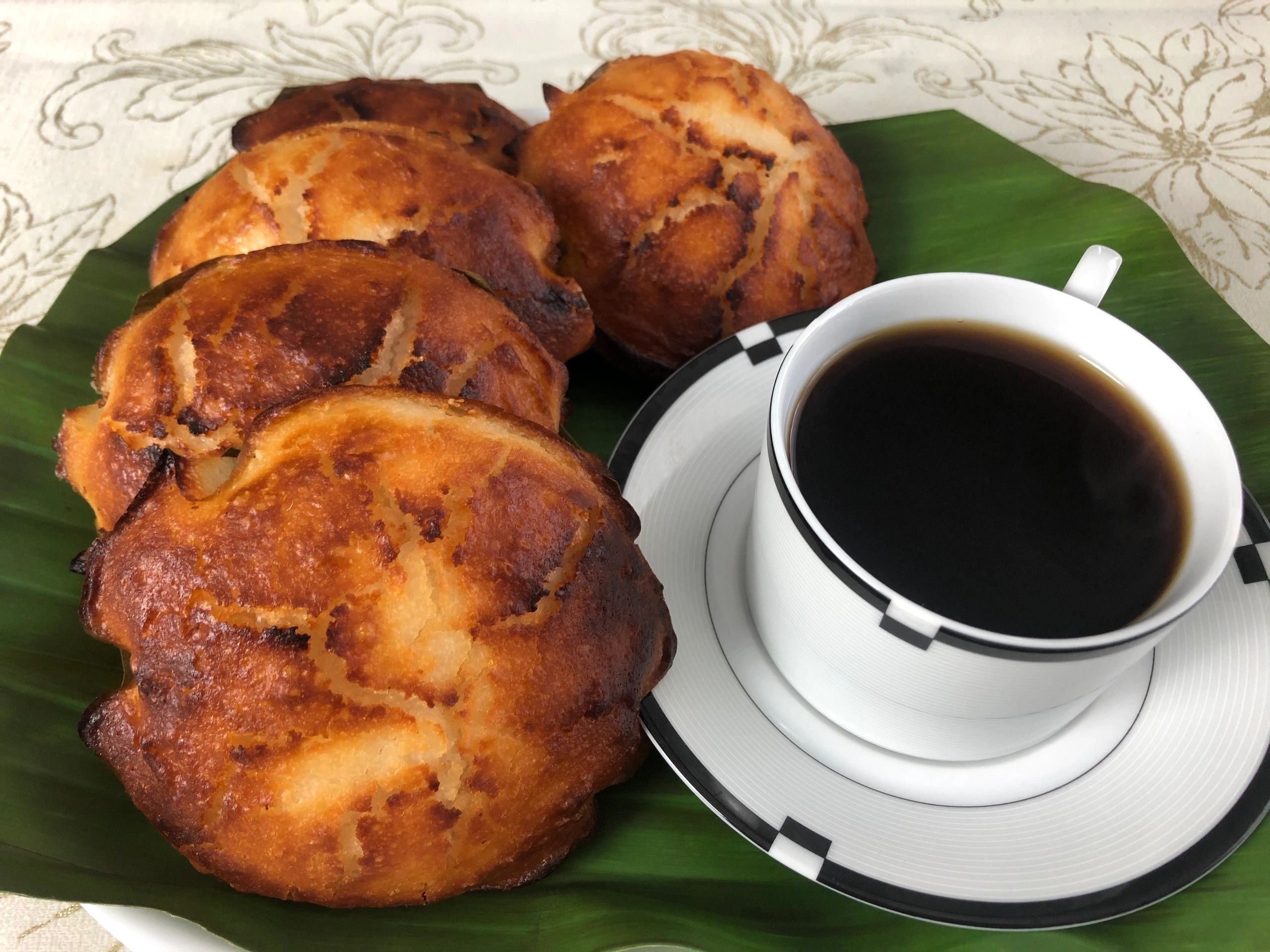
One would see bibingka when it’s the Christmas season. Breakfast would never be complete without one. It goes well with warm milk or coffee. This dessert accompanies another well-known traditional dessert named puto bumbong.
When people go to midnight masses during this period, they always come home with bibingka. Yet, one doesn’t need to wait for Christmas to eat this succulent dessert. Lots of dessert stalls in the country sell bibingka and its variations. Heavens forbid that a mall wouldn’t have a bibingka stall of sorts.
Even online shops sell this wonderful dessert. This is a great opportunity for people who can make this dessert. With the power of the internet, they can go out and offer their versions of bibingka. One such online shop is Liz’s Filipino Desserts.
This shop also offers Binangkal and Budbud. But before the topic goes astray, please remember that the star of this article is bibingka. Let’s leave the other desserts for another article.
How did bibingka start out? Is it a dessert invented in the Philippines? What kind of dessert is it? Interested? Read on.
Bibingka’s origins
Bibingka; in layman’s terms is a type of rice cake. Its but one of many traditional rice cake variations that the Philippines have. Its taste is comparable to rice pudding; albeit it’s much sweeter. Filipinos refer to their desserts as “kakanin” which is where bibingka belongs.
The origins of bibingka are vast. Some say that it came from Indonesia while some believe it came from India. In fact, the Indians call their version of this dessert as “Bebinca” or “Bibik”. Some also believe that the Portuguese brought this dessert from Goa. The thing is that these two desserts are different from one another.
The Portuguese version looks like the Filipino’s sapin-sapin or layered pudding. Bibingka is a rice cake made from baking glutinous rice. See the difference? Also, the Indian bebinca uses coconut milk which is an ingredient for bibingka.
Most rice-based cuisines came from Southeast Asia. In other words, the Portuguese may have brought the recipe to Goa and not the other way around. In any case, it’s great to see bibingka present on any day and not only in Christmastime. Some decades before, one can only see bibingka during the nine-day night masses.
This dessert replaces the normal staple breakfast food named “Pan de sal”. Piping-hot bibingka is something that energizes people after waking up early for church. Coupled with puto bumbong, Filipinos can now start their day with a satisfied stomach.
Another theory is that bibingka came from China. The word “Bi” means uncooked grain in Chinese. Some people believe that the Chinese brought this dessert to the Philippines. They popularized bibingka by teaching the recipe to the natives at that time.
Bibingka facts
People from Dingras, Ilocos Norte in the Philippines expect a Guinness World Record. This is because they baked a kilometer-long bibingka made from cassava. At least a thousand kilos of cassava comprised the dessert. More than 1,000 people shared the dessert afterward.
Another companion of bibingka is salabat which is a hot drink made from ginger. It also has a spongy texture which is typical of rice cakes. The best time to eat bibingka is when it’s hot or warm. People cook bibingka until they char the top and bottom of the dessert. This adds flavor to the already tasty dessert.
People cook bibingka using clay pots and they use charcoal as the heating element. The main ingredients are glutinous rice, water, and/or coconut milk. These main ingredients differ from time to time depending on the variation. After all these years, bibingka now has lots of recipes but the traditional one never goes old.
Some variations use rice flour or mochiko flour. But, the staple secondary ingredients are milk and eggs. Without these two ingredients, the bibingka is never complete. Making bibingka is time-consuming since lots of preparations are in order.
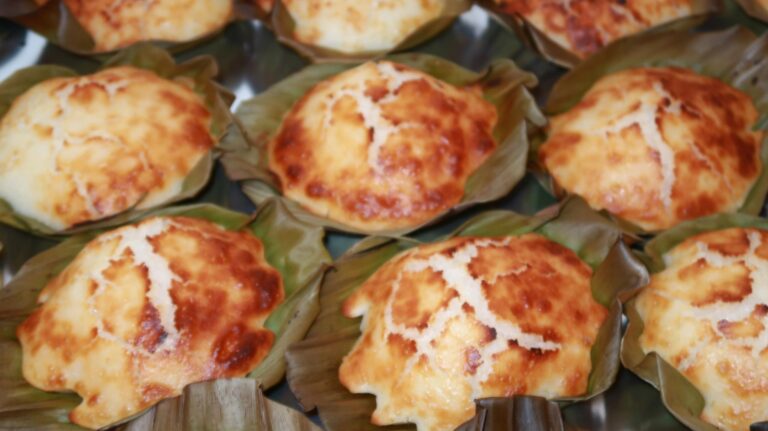
The normal cooking of bibingka involves the clay pot having banana leaves on the inside. The mixture is then poured inside the pot after it received ample heat from scorching coals. After this, another banana leaf covers the mixture while placing hot coals over it.
The aroma after cooking is mouth-watering. The toasted banana leaves entice people to come and have a whiff of the smell. Liz’s Filipino Desserts captures that aroma which makes their bibingka tastier. Lots of people love the traditional recipe that Liz’s Filipino Desserts provides.
Do they have toppings? Yes, bibingka has toppings. The common toppings include cheese, butter, grated coconut, margarine, and sugar. Modern variations use fruits like pineapple and duck eggs.
Sometimes, people would like to have more than one topping on their bibingka. Special bibingka pertains to the version that has all these toppings. It also refers to a bibingka that has sumptuous amounts of toppings in a single serving.
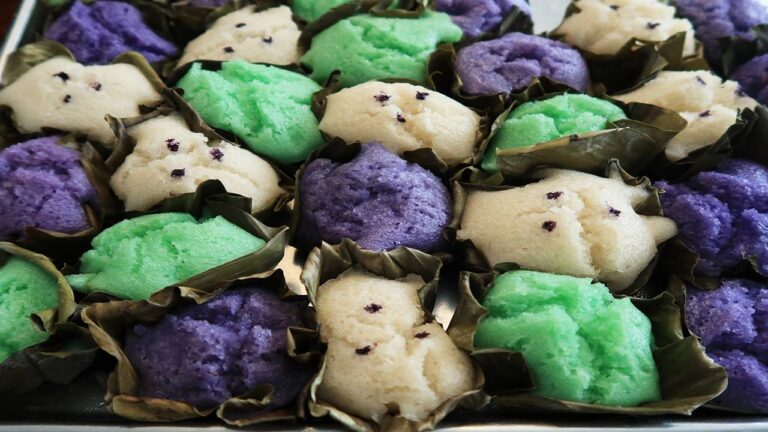
Nowadays, people cook bibingka using cake pans and ovens instead of clay pots. These methods lack the smoky aroma that the clay pots produce. The taste stays the same since they still use banana leaves to line the pans. Bibingka shops also make different bibingka designs. They use various tin molds to shape the bibingka. The most common tin mold container used is the cupcake versions. Some even refer to bibingka as a huge version of puto, another rice cake variation.
In any case, a large helping of bibingka can serve up to four people. When sliced at the right ratio, it can even serve up to six people. This dessert is very filling because of the rice, eggs, and milk. Some even eat bibingka instead of normal rice meals in the morning. Some also have late dinners because they had bibingka as an afternoon snack.
The bottom line
Whatever the season is, bibingka is such a tasty treat. One would never go wrong in eating the dessert at any time of day. That said, check out Liz’s Filipino Desserts and their bibingka variations.