Three sweet things you should know about your Filipino Desserts
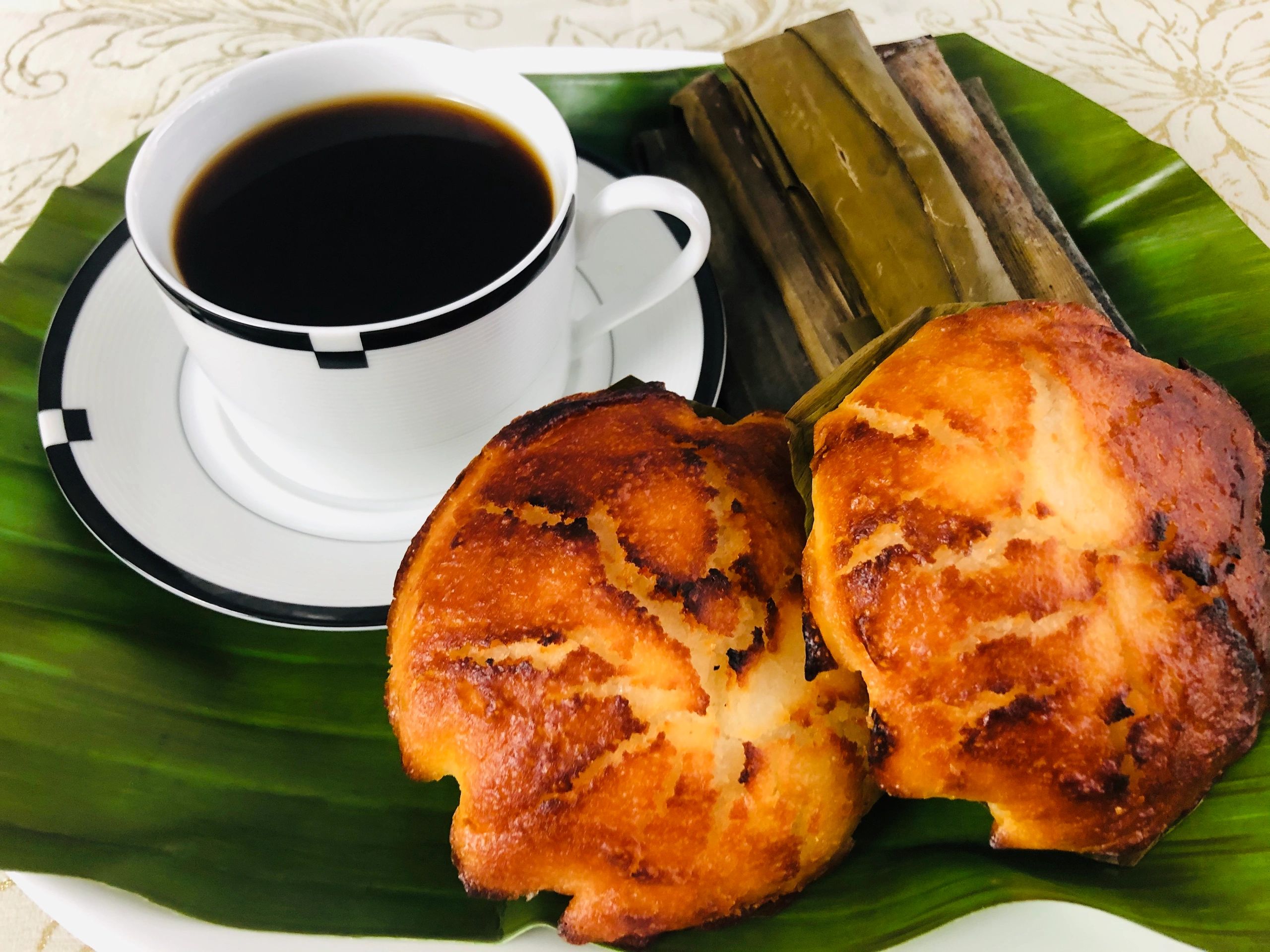
Bibingka, Suman, Leche Flan, Puto, Halo-Halo – just hearing their names already makes you drool! A bite of these sumptuous goodies takes you to a stroll down memory lane of a Sunday afternoon. Sweet and warm like an embrace. Familiar, eh? But if you think you already know your favorite Filipino Desserts, there is more to the story. Here’s why
1. They reflect rich Filipino culture
The flavorful Filipino food itself will tell you the history of the archipelagic country. Filipino’s undeniably most favorite gem – rice, was long introduced in 3200 BC by Malayo-Polynesians.[1] These plain white grains became the ultimate meal staple and ingredient for desserts long before the Spaniards came in the 16th Century[2].
Sticky rice combined with coconut milk; rice cakes were made even pre-colonial times[3]! Antonio Pigetta, the chronicler of the Spanish King, described the rice cakes wrapped in banana leaves as “resembling sugar loaves, while others were made in the manner of tarts with eggs and honey. “Kakanin”, as Filipinos call it, is now world known with different varieties and flavors of Bibingka, Puto, Suman, Biko and many more Filipino Desserts.
Another most-loved Filipino Dessert which that dates back to the Spanish times is Pandesal. By sourcing wheat flour and using tubaor sugar cane, the Spanish government sold the sour dough-like bread. The Americans thereafter came and brought their baking goodies like yeasts, baking powder, baking sheets.
Long story short, Filipinos now enjoys each and every baked bread from especially as “merienda” or a snack. From “ensaymada” or brioche rolls with cheese on top, “mamon” or chiffon cupcakes up to the luscious rolled meringue with custard filling dubbed as brazo de Mercedes, you name it, Filipino Desserts are endless.[4]
Regardless of their forms, colors and shapes, Filipino Desserts never fail to satisfy food cravings. Most importantly, they mirror the Philippine’s history.
2. Made up of quality raw ingredients
Cooking Filipino delicacies is no black magic! You can stumble upon easy to complex recipes online. But, what makes them special are the quality ingredients. Common ingredients of these tasty desserts are rice, coconut, mangoes, dairy and coconut milk. These high-grade ingredients are mostly sourced from Southeast Asia. Sadly, the pandemic has largely affected the importation of these supplies.
Seven percent (7%) decrease of trade flows is felt worldwide in 2020 alone.[5] A study shows that if there is total ban of rice imports from Vietnam, Cambodia, India, Thailand and other key rice markets in Asia during the pandemic, a thirty percent (30%) price increase for this good was expected worldwide. A similar situation for wheat trade from Russia and others will result in four percent (4%) increase in global price. [6]
Spices, coconut and coconut-based products of Sri-Lanka are down to twenty-six (26%) of total exports in 2020. [7] Dairy industry is likewise affected with the imports of USA from China. [8]Beloved fruits like mangoes, oranges and vegetables as well have fluctuated in prices due to high demand but low supply. [9]
Truly, fresh produce sector was vulnerable due to restrictions brought by COVID-19. As a result, price soared which will also affect the prices of the Filipino Desserts.
3. Easy to find!
On a lighter note, if you crave these Filipino Desserts or is too stressful to find the freshest ingredients, Liz’s Filipino Desserts offers the most delectable Bibingka, Binangkal, Budbud and so many more. To ensure quality, they bake in small batches that can reach the comfort of your home via pick up or shipping.
References
[1] Ettenberg, J. (2017, June 29). Origins of food we love: The cuisine of the Philippines – G Adventures. G Adventures. https://www.gadventures.com/blog/origins-food-we-love-cuisine-philipines/
[2] Salta, E. (2021, September 16). PepsiCo to reduce plastic use, launch plant-based snacks in green push. F&B Report Magazine. https://fnbreport.ph/14253/illustrating-the-history-of-bibingka/
[3] Ting, J. (2021, April 7). There Are 10,000 People Waiting for These Filipino Doughnuts. That’s No Surprise. Bon Appétit. https://www.bonappetit.com/story/filipino-pop-up-bakeries-social-media
[4] Estrella, S. (2021, April 6). The Secret History Behind Pan de Regla and Other Panaderia Eats. Pepper.Ph. https://pepper.ph/panaderia-eats/
[5] Xuepeng, L. (2021, June 9). The 2020 trade impact of the Covid-19 pandemic. VOX, CEPR Policy Portal. https://voxeu.org/article/2020-trade-impact-covid-19-pandemic
[6] Sulser T. and Dunston S. (2020, May 15). COVID-19-related trade restrictions on rice and wheat could drive up prices and increase hunger. International Food Policy Research Institute.
[7] Wijayasiri, J. (2019). COVID-19 and Impact on Export Sector in Sri Lanka. KIEP Visiting Scholars Program.
[8] Wang, Q., Liu, Zhao, Kitsos, Cannella, Wang, & Han. (2020). Impacts of the COVID-19 pandemic on the dairy industry: Lessons from China and the United States and policy implications. Journal of Integrative Agriculture 2020, 19. https://doi.org/10.1016/S2095-3119(20)63443-8
[9] Organisation for Economic Co-operation and Development. (2020, May). Preliminary Report: Evaluation of the Impact of the Coronavirus (COVID-19) on Fruit and Vegetables Trade. https://www.oecd.org/agriculture/fruit-vegetables/oecd-covid-19-impact-on-fruit-and-vegetables-trade.pdf